

Vision-Based Mould Protection for Multi-Cavity Moulds: Challenges and Solutions
Key Takeaways
Multi-cavity moulds multiply the number of moving components and potential fault points within a single cycle.
A fault in even one cavity can go unnoticed with conventional sensors, risking full-mould damage.
Vision-based mould protection inspects every cavity individually, not just the mould as a whole.
Common challenges include cavity-to-cavity variation, limited camera coverage, and cycle-time constraints.
Correct camera placement, defined inspection zones, and reliable reference imaging help overcome these challenges.
Combining vision inspection with structured maintenance improves consistency across all cavities.
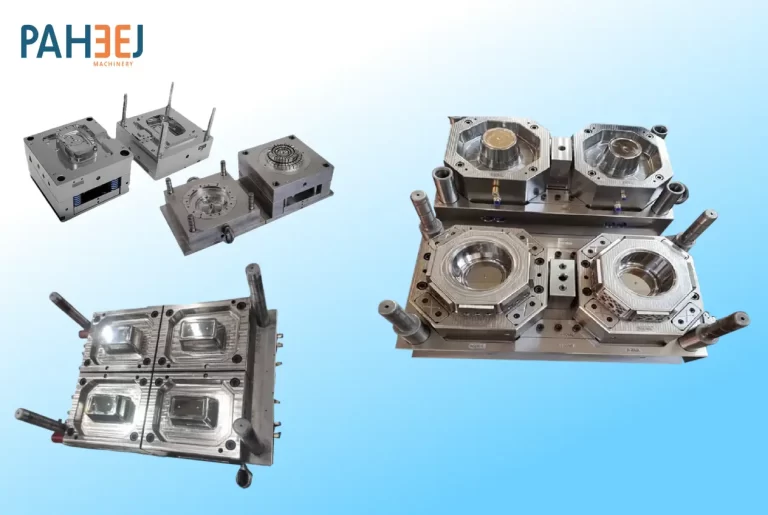
Multi-cavity moulds are widely used to increase output and reduce per-part cost, but they also introduce a level of complexity that single-cavity tooling does not face. Every additional cavity brings its own ejector pins, cores, slides, or inserts, and each of these components must function correctly, every cycle, for the mould to close safely.
This article looks at why protecting multi-cavity moulds is more demanding than protecting single-cavity tooling, the specific challenges manufacturers encounter, and how a vision mould protection system helps address them.
Why Multi-Cavity Moulds Are Harder to Protect
In a single-cavity mould, there is typically one set of moving components to verify before closing. In a multi-cavity mould, the same verification must be repeated across every cavity, simultaneously and within the same short cycle window.
A fault that would be obvious in a single-cavity tool, such as a part that fails to eject or a pin that does not retract, can be far harder to notice when it occurs in just one of several cavities. The overall mould may still appear to be operating normally, even though one cavity is at risk of damage on the next closing stroke.
This makes consistent, cavity-by-cavity verification essential rather than optional, particularly as cavity counts increase and cycle times shorten.
Key Challenges in Vision-Based Protection of Multi-Cavity Moulds
1. Monitoring Multiple Inspection Zones Simultaneously
Every cavity may require its own inspection area, such as ejector pin positions, core movement, or part presence. Covering all these zones reliably, without gaps or blind spots, requires careful camera placement and, in some cases, multiple cameras or wider fields of view.
Missing even one inspection zone can leave a single cavity unprotected, defeating the purpose of the system.
2. Cavity-to-Cavity Variation
Not all cavities behave identically. Minor differences in wear, cooling, or component tolerance mean that what looks normal in one cavity may look slightly different in another, even under correct operating conditions.
A vision system must distinguish between this normal cavity-to-cavity variation and a genuine fault, which requires well-defined reference images and inspection tolerances for each individual cavity rather than a single generic reference for the whole mould.
3. Short Cycle Times
Multi-cavity moulds are often used specifically to achieve high-volume, short-cycle production. This leaves very little time for image capture, comparison, and decision-making between ejection and mould closing.
Inspection routines must be structured so that verification across all cavities completes reliably within the available cycle window, without becoming the limiting factor in production speed.
4. Identifying the Source of a Fault
When an issue is detected on a multi-cavity mould, it is important to know precisely which cavity is affected, not just that a fault has occurred somewhere in the mould. Vague or mould-level alerts make troubleshooting slower and can lead to unnecessary downtime while operators search for the cause.
Clear, cavity-specific reporting helps maintenance teams respond faster and more accurately.
5. Debris and Residue Across Multiple Cavities
Flash, broken part fragments, or residual material can accumulate in one or more cavities without affecting the others. Because this debris may only partially obstruct movement, it can be difficult to detect through indirect signals such as pressure or position sensors alone.
Visual inspection of each cavity helps identify this kind of localized obstruction before it leads to mould damage.
How Vision-Based Mould Protection Addresses These Challenges
A properly configured vision mould protection system verifies the condition of each cavity before the mould closes, rather than relying on a single overall check for the entire tool.
1. Defined Inspection Zones per Cavity
Instead of monitoring the mould as a single unit, the system is configured with separate inspection zones aligned to each cavity’s critical features, such as ejector pins, slides, or part presence. This allows a fault in any single cavity to be identified independently of the others.
2. Reference-Based Image Comparison
For each inspection zone, the camera compares the live image against a predefined reference position. Deviations beyond the set tolerance, whether from an incomplete return, unexpected part presence, or foreign material, are flagged before the mould closing sequence proceeds.
3. Automatic Machine Stop on Fault Detection
When an abnormal condition is detected in any monitored cavity, the system signals the machine to stop before mould closure. This prevents the closing force from being applied against an out-of-position component in that cavity, protecting the surrounding cavities and the mould as a whole.
4. Cavity-Level Fault Reporting
Clear identification of which cavity triggered the stop helps operators and maintenance teams address the specific issue quickly, reducing the time the machine remains idle and supporting faster root-cause analysis.
By verifying conditions across all cavities every cycle, vision-based mould protection reduces the risk that a fault in a single cavity develops into full mould damage.
Best Practices for Protecting Multi-Cavity Moulds
Vision inspection works best as part of a broader approach to mould reliability. Recommended practices include:
- Define individual inspection zones and tolerances for each cavity rather than a single mould-wide reference
- Position cameras to eliminate blind spots across all cavities
- Review and update reference images after tooling maintenance or component replacement
- Combine vision inspection with routine mechanical checks of pins, slides, and cores in every cavity
- Train operators to interpret cavity-specific fault alerts
- Periodically audit inspection performance as cavity wear patterns evolve over time
Applications Where Multi-Cavity Vision Protection Matters Most
Multi-cavity vision protection is particularly valuable in applications where cavity count, part complexity, or component value make undetected faults costly:
- High-cavity-count consumer product moulds
- Automotive components produced across multiple cavities
- Electronic connector and precision housing production
- Medical device components requiring consistent part quality
- Insert moulding across several cavities simultaneously
- Complex engineering plastic components with tight tolerances
As cavity counts and part complexity increase, the value of automated, cavity-specific verification increases correspondingly.
Conclusion
Multi-cavity moulds offer clear production advantages, but they also multiply the number of components and inspection points that must be verified correctly before every mould closing cycle. A fault confined to a single cavity can be easy to miss with conventional methods, yet still capable of causing significant tooling damage.
Vision-based mould protection addresses this by inspecting each cavity individually, comparing live conditions against defined references, and stopping the machine before a fault leads to a crash. Combined with sound maintenance practices, this approach helps manufacturers protect high-value, multi-cavity tooling and maintain consistent production reliability.
Paheej Machinery provides mould protector vision camera systems designed to help manufacturers verify component positions across complex, multi-cavity moulds before every closing cycle.
Frequently Asked Questions (FAQs)
Why is vision-based mould protection more challenging for multi-cavity moulds?
Multi-cavity moulds have multiple sets of moving components and inspection points that must all be verified within the same short cycle time. A fault in a single cavity can be harder to detect than in a single-cavity mould, since the rest of the mould may continue to appear normal.
Can a vision system detect a fault in just one cavity out of many?
Yes. When the system is configured with separate inspection zones for each cavity, it can identify a fault specific to one cavity rather than only recognizing mould-wide abnormalities.
Does cavity-to-cavity variation cause false alerts in vision inspection?
It can, if the system relies on a single generic reference for the entire mould. Defining individual reference images and tolerances for each cavity helps the system distinguish normal variation from genuine faults.
How does vision inspection fit within short cycle times on multi-cavity moulds?
Inspection zones and comparison routines are configured to complete within the available window between ejection and mould closing, so verification does not become a bottleneck in production speed.
What happens when a fault is detected in a multi-cavity mould?
The system signals the machine to stop before mould closure and, where configured, identifies the specific cavity involved, helping operators address the issue quickly and reduce downtime.