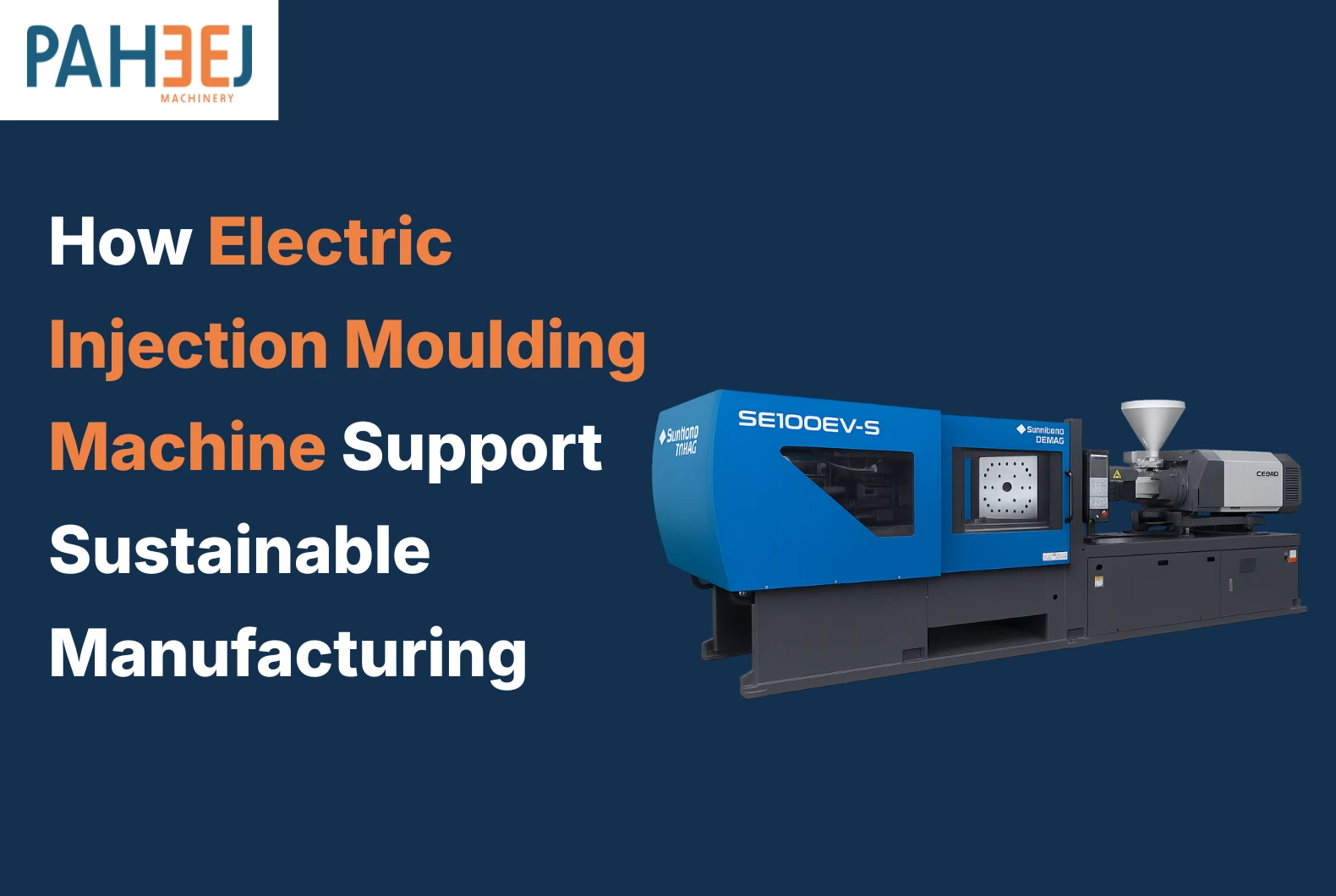
How Electric Injection Moulding Machines Support Sustainable Manufacturing
Sustainability has become an important priority in modern plastics manufacturing. Rising energy costs, stricter environmental expectations, and the need for efficient production are influencing how manufacturers invest in machinery. Companies are now looking for equipment that can improve output while reducing operating impact.
All-electric injection moulding machines support these goals through efficient power use, cleaner operation, and precise process control. Unlike conventional hydraulic systems, electric machines use servo-driven motion systems that consume energy only when required. This helps manufacturers lower power consumption, reduce waste, and maintain consistent production quality.
For businesses focused on long-term efficiency, all-electric injection moulding machines offer a practical path toward sustainable manufacturing.
Why Sustainability Matters in Modern Manufacturing
Rising Energy and Operating Costs
Energy is a major production expense in moulding operations. Machines that consume excessive power increase manufacturing costs over time. Improving machine efficiency helps control operating expenses and protect margins.
Regulatory and Customer Expectations
Many industries now expect cleaner and more responsible manufacturing practices. Customers increasingly evaluate suppliers based on quality, consistency, and environmental responsibility.
Future-Ready Production
Sustainable production is also a long-term business decision. Manufacturers that invest in efficient equipment today are better prepared for future cost pressures and changing market demands.
Also read: Future Trends in Injection Moulding Machinery
Lower Energy Consumption with All-Electric Injection Moulding Machines
One of the biggest sustainability advantages of all-electric injection moulding machines is lower energy use.
Traditional hydraulic machines often run pumps continuously, even when full power is not required. This creates unnecessary energy consumption during idle or low-load stages of the cycle.
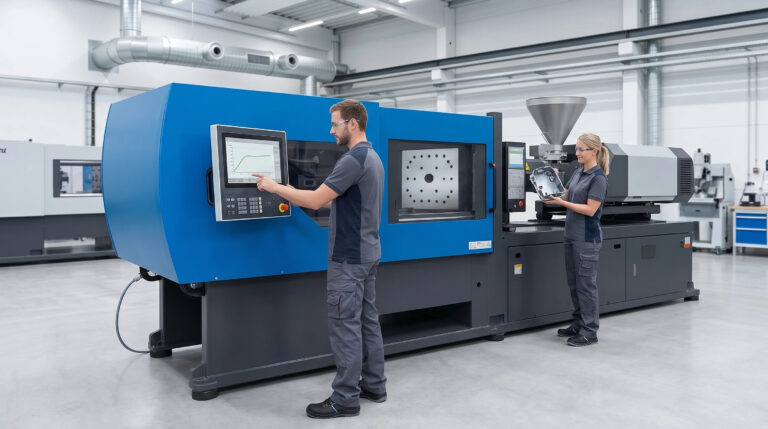
All-electric injection moulding machines use servo motors that operate only when movement is needed. This means power is used more efficiently during clamping, injection, screw rotation, and ejection.
Key benefits include:
- Lower electricity consumption
- Reduced idle power loss
- Better control over operating costs
- Improved production efficiency over long runs
Reduced heat generation is another advantage. Since there is no constantly running hydraulic pump, electric machines release less excess heat into the production area, helping improve shop-floor conditions.
Cleaner Production Without Hydraulic Oil
Oil-Free Operation
Hydraulic oil management is a common challenge in traditional moulding environments. Leaks, contamination risks, and fluid maintenance all add cost and operational complexity.
All-electric moulding machines eliminate hydraulic oil from core machine movement systems. This creates a cleaner production environment and reduces housekeeping requirements.
Ideal for Sensitive Industries
Clean production is especially valuable in sectors where contamination control matters, such as:
- Medical components
- Electronics housings
- Food-contact packaging parts
- Precision consumer products
Reduced Maintenance Waste
Without hydraulic oil systems, manufacturers also reduce:
- Oil disposal requirements
- Filter replacement frequency
- Leak-related downtime
- Maintenance consumables
This supports both environmental goals and lower maintenance costs.
Material Savings Through Higher Precision and Repeatability
Sustainable manufacturing is not only about energy use. Material efficiency also plays a major role.
All-electric injection moulding machines are known for accurate motion control and repeatable cycle performance. Better control of injection speed, pressure, and screw position helps produce consistent parts with less variation.
This leads to:
- Reduced reject rates
- Lower startup waste
- More stable part dimensions
- Less overpacking of material
- Improved raw material utilization
When scrap is reduced, manufacturers save material costs while also lowering waste output.
For high-volume production, even small reductions in reject percentage can create significant long-term savings.
Supporting Smart Factory and Sustainable Automation Goals
Modern sustainable manufacturing often includes automation and data-driven production. All-electric injection moulding machines are well-suited for these environments.
Easy Integration with Modern Controls
Electric machines typically offer advanced control systems that support:
- Production monitoring
- Process parameter tracking
- Quality consistency checks
- Cycle data analysis
This visibility helps manufacturers identify inefficiencies and improve process stability.
Automated Stable Production
Accurate repeatability makes electric machines ideal for robotic handling systems, insert loading, and automated part removal. Stable automation reduces manual intervention and supports efficient production flow.
Continuous Improvement
Access to machine data allows manufacturers to refine settings, reduce downtime, and improve resource efficiency over time.
Long-Term Cost Benefits of Sustainable Machine Investment
While the initial investment for an all-electric injection moulding machine may be higher than some conventional alternatives, lifecycle costs are often more favorable.
Long-term benefits include:
- Lower energy bills
- Reduced maintenance costs
- Less downtime
- Better production consistency
- Lower scrap generation
- Stronger return on investment over time
For manufacturers running regular production schedules, these operational savings can be substantial across the machine lifespan.
Industries Benefiting Most from Sustainable Electric Moulding
Many industries benefit from the advantages of electric injection moulding technology.
- Medical manufacturing where cleanliness and repeatability are essential
- Electronics requiring precise dimensions and stable cycle control
- Packaging where efficiency and output consistency matter
- Automotive technical parts needing repeatable quality
- Consumer products where lower waste and stable production improve competitiveness
These sectors often prioritise both quality and efficient use of resources.
Why Manufacturers Are Transitioning to Electric Machines
Manufacturers are increasingly moving toward electric moulding systems for practical business reasons.
Common drivers include:
- Rising electricity costs
- Demand for cleaner production environments
- Better dimensional consistency
- Lower maintenance dependency
- Reduced environmental impact
- Support for automation and smart factories
The transition is often part of a broader strategy to improve efficiency while preparing for future production requirements.
Conclusion
Sustainable manufacturing is becoming an essential focus for modern production operations. Manufacturers need equipment that lowers energy use, reduces waste, and supports consistent output without adding unnecessary operating complexity.
All-electric injection moulding machines help achieve these goals through efficient power consumption, cleaner operation, precise process control, and lower material loss. They offer a practical solution for businesses seeking long-term productivity and responsible manufacturing growth.
Paheej Machinery supports manufacturers with advanced all-electric injection moulding machines designed for precision, efficiency, and sustainable production performance.
Frequently Asked Questions (FAQs)
1. What is an electric injection moulding machine?
An electric injection moulding machine uses servo motors instead of hydraulic systems to produce plastic components with high precision and lower energy consumption. These machines are widely used in automotive, medical, electronics, and packaging industries because they offer better accuracy, faster cycle times, and cleaner production.
2. How do electric injection moulding machines support sustainable manufacturing?
Electric injection moulding machines reduce energy consumption, minimize material waste, and eliminate hydraulic oil usage. Their precise control systems improve production efficiency, lower carbon emissions, and help manufacturers achieve sustainability goals while maintaining high product quality.
3. Are electric injection moulding machines better than hydraulic machines?
Electric machines generally offer higher precision, lower maintenance requirements, and significant energy savings compared to hydraulic machines. While the initial investment may be higher, the long-term operational savings and environmental benefits often make them a better choice for modern manufacturing.
4. How much energy can an electric injection moulding machine save?
Depending on the application and machine type, electric injection moulding machines can consume 50–70% less energy than traditional hydraulic machines. This reduction helps manufacturers lower operating costs and improve overall production sustainability.
5. Which industries benefit most from electric injection moulding machines?
Industries that require precision and consistency, such as automotive, medical devices, consumer electronics, and packaging, benefit the most. Electric machines deliver accurate parts, cleaner production environments, and reduced environmental impact.