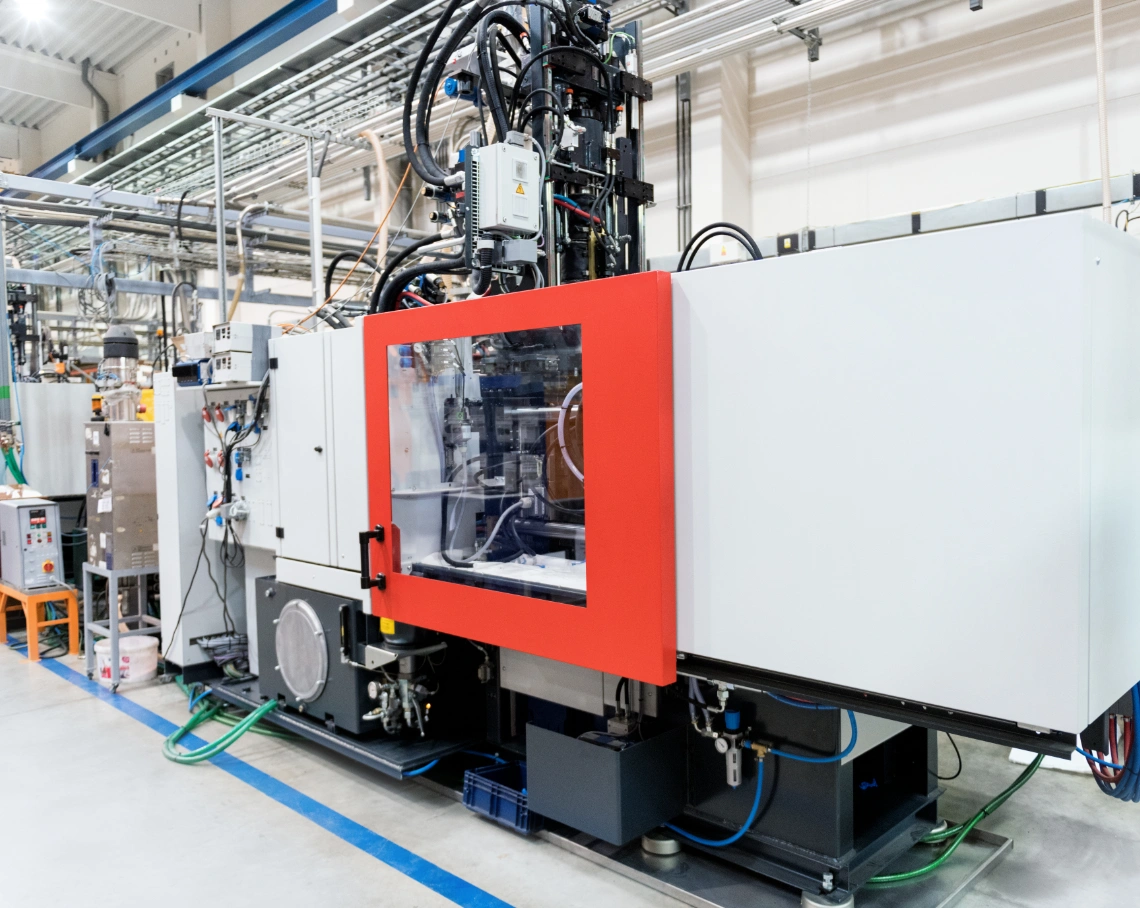
What is Multi Component or multi material Injection Molding?
Multi Component injection molding is a type of injection molding in which parts are made from two or more different materials, all in one process. This advanced manufacturing process, also referred to as multi material injection molding (its most common name), joins plastics and elastomers to form a finished product in the mold. Multi Component injection molding is being used more and more because it expands complicated designs and enhances product features. There are examples of Multi Component injection molding at every turn, ranging from consumer goods, such as power tools, to mission-critical medical devices.
Basic Concepts and Principles
Multi Component injection molding combines different materials or colors into one molded part. This method avoids the need for secondary assembly steps, saving time and money. The process happens inside one machine, which injects materials in a specific sequence.
Several techniques fall under this category. It’s helpful to know the difference between them:
- Overmolding: One material (the substrate) is molded first. A second material is then injected over or around it.
- Double Shot Molding: Also called two-shot injection molding, this process uses a mold with two different cavities. A part is molded in the first cavity, then transferred to the second, where another material is injected.
- Co-injection Molding: This technique injects two materials at the same time through the same gate. One material forms the outer skin, while the other forms the inner core.
- Insert Molding: A pre-made component, often metal, is placed into the mold. Plastic is then injected around this insert to create a single, integrated part.
Operating Mechanism
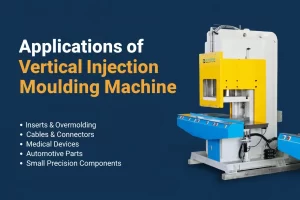
A Multi Component injection molding machine is more complex than a standard one. It has multiple barrels, or injection units, each responsible for a different material. The mold is also specially designed. It may feature a rotary table or use a transfer system to move the part between cavities for each material injection.
The process starts with the substrate, which is the base material. After the substrate is molded, the overmolding material is injected onto it. These materials must bond well. Common combinations include polypropylene (PP) with a thermoplastic elastomer (TPE) or polycarbonate (PC) with thermoplastic polyurethane (TPU). The bond can be chemical or mechanical.
Types of Multi Component Injection Molding Techniques
Different machines and processes achieve multi material parts. The technology selection depends on the part design, materials, and production volume.
Common Machine Technologies
- All-Electric: These machines offer high precision and energy efficiency, making them suitable for complex medical or electronic parts.
- Rotary Table: The mold rotates to position the part for the next injection shot. This is a common setup for double-shot molding.
- Rotary Shaft: A central shaft rotates a portion of the mold, moving the part from one cavity to another.
- Sandwich/Interval Injection: This is another term for co-injection molding, where one material is encased by another.
- Large Horizontal Rotary Table: Used for very large parts, this machine rotates the entire mold horizontally between injection units.
Major Process Variations
The number of materials determines the process name. Two-shot and three-shot molding are common. Insert molding is also a key variation, used to add strength or conductivity to plastic parts by incorporating metal components.
Multi Component Injection Molding Applications and Industry Examples
Multi material injection molding is used across many sectors. Its ability to combine hard and soft materials in one part makes it very useful.
- Automotive: Interior components like dashboard elements, buttons with soft-touch grips, and weather seals.
- Household Products: Toothbrushes with flexible bristles and hard handles, kitchen utensils with non-slip grips, and power tool housings.
- Electronics: Encasing circuits in protective material, creating durable and waterproof seals for devices like sports wearables and USB flash drives.
- Medical Equipment: Surgical instruments with ergonomic handles, device components with integrated seals, and single-use diagnostic tools.
- Construction and Packaging: Gaskets, seals, and multi-color caps or closures for containers.
Advantages and Challenges
Adopting this technology brings both benefits and difficulties.
Advantages
- Improved Functionality: Combines properties like rigidity and flexibility in one part.
- Better Aesthetics: Allows for multiple colors or textures without painting.
- Reduced Assembly: Eliminates the need to join separate parts later, lowering labor costs.
- Custom Properties: Tailors material properties to specific areas of a product.
Challenges
- Material Compatibility: Materials must bond properly for the part to be durable.
- Machine Complexity: The equipment is more advanced and requires specialized knowledge to operate.
- Adhesion Issues: Poor bonding between materials can lead to part failure.
- Process Cost: The initial investment in molds and machines is higher than for single-material molding.
Trends and Innovations
The field of multi material injection molding is advancing. Automation has become a major trend, where robots are handling parts to improve efficiency and consistency. More manufacturer multi-station systems that are molding and assembly in one continuous line are becoming more common. They are also beginning to encourage the use of sustainable materials and environmentally friendly recycled content in multi-layer products.
Conclusion
Multi Component injection molding is a great opportunity to introduce innovation with new and improved capabilities to your product. The process of using more than one material in a single process can improve part quality, help eliminate assembly costs, or help achieve complex designs. Success will depend upon factoring in the compatibility of the materials with each other, the characteristics of the injection molding machine, and the details of the process itself.
If you’re exploring multi material injection molding for your project, it may be worthwhile to contact an expert, such as Paheej Machinery, to help navigate the complexities and find the best solutions. Paheej Machinery can also provide you with an injection molding machine to satisfy your performance requirements.