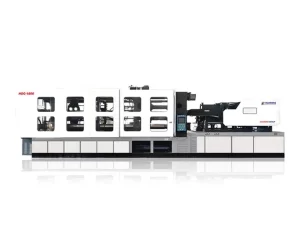
The Dynamic Growth of Injection Molding Machinery Market in India
The Indian injection molding machinery market is experiencing an unprecedented surge, with projections indicating its value will climb from USD 707.3 million in 2023 to USD 1,537.4 million by 2033. This remarkable growth highlights the pivotal role of injection molding in transforming the plastic industry across various sectors, ranging from automotive to medical devices.
The plastic industry is evolving rapidly, driven by increased adoption of injection molding machines. These machines have become indispensable in manufacturing high-precision components used in consumer goods, packaging, and medical applications. Another key driver is the integration of smart manufacturing technologies. With advancements in automation and energy-efficient designs, modern injection molding machines offer enhanced productivity while minimizing operational costs. Moreover, the adoption of sustainable plastics and biodegradable materials is shaping market dynamics, addressing global demands for environmentally friendly products.
Trends to Watch
One significant development is the growing focus on anti-dumping measures. India’s recent investigation into injection molding machine imports from China underscores the need to protect domestic manufacturers from unfair trade practices. Such policies aim to level the playing field and encourage investments in indigenous technology.
Opportunities for Growth
With the Indian market’s exponential growth, stakeholders in the injection molding industry have numerous opportunities. Manufacturers can focus on producing precision-driven machines that cater to industries with stringent quality requirements, such as medical and aerospace. Additionally, the rise of all electric injection molding machines, known for their energy efficiency and high output, presents a lucrative avenue for innovation.
Challenges Ahead
Despite the promising outlook, challenges such as fluctuating raw material prices and the high cost of advanced machinery persist. However, government support for the plastic industry through subsidies and incentives is expected to mitigate these hurdles.
Conclusion
The Indian market for injection molding machinery is expanding industriously on the back of increased demand, adoption of new technologies, and expansion for ‘Make in India’ initiatives. In spite of a few challenges, the forecast appears positive with the prospect of numerous possibilities.
Paheej Machinery is actively supporting the Indian industry’s growth by offering modern and reliable injection molding systems, thereby enhancing the efficiency of the Indian molding systems.