Key Components of Injection Mould for Multi-Component Processes: Engineering Precision for Multi-Material Manufacturing
Multi-component injection moulding represents an advanced manufacturing process that integrates two or more materials or colours in a single moulded part. This technology enables manufacturers to create complex products with enhanced functionality, improved aesthetics, and reduced assembly requirements.
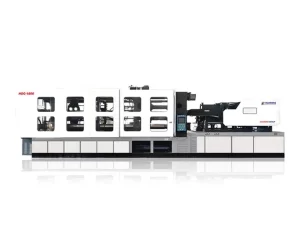
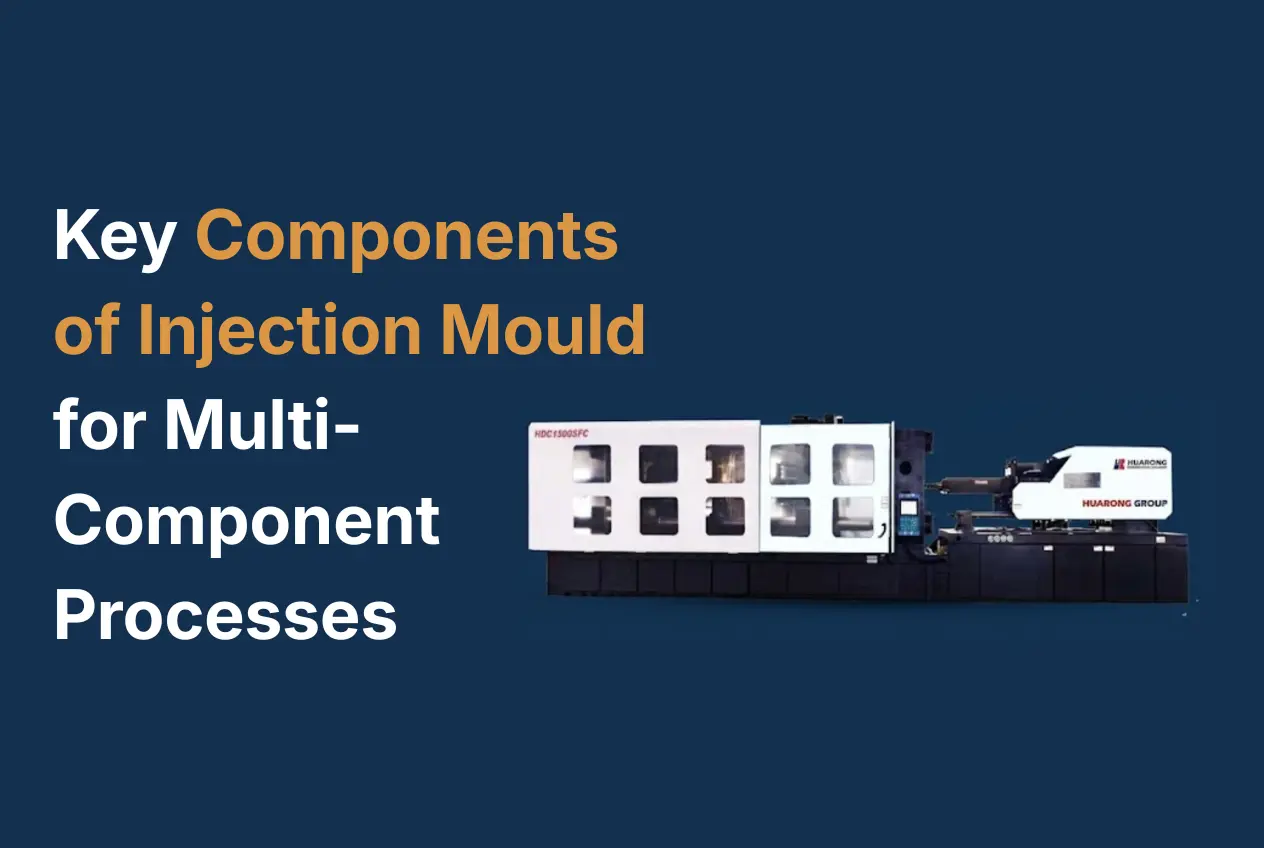
Success in multi-material injection moulding depends heavily on precision mould design and the use of injection moulding machines capable of supporting multi-component processes. Paheej Machinery’s multi-component injection moulding machines are engineered to deliver accurate control, stable repeatability, and efficient execution of complex moulding sequences, making them well-suited for advanced multi-material production.
Understanding the key injection mould components and their specific functions helps manufacturers optimise multi-material moulding operations and select the appropriate machine configurations.
What Makes a Multi-Component Injection Mould Different
Multi-component injection moulds differ significantly from single-material moulds in both complexity and design requirements. These specialised moulds feature multiple cavities, sequential injection points, and advanced mechanisms such as rotating or sliding cores that enable precise material placement.
Material compatibility adds another layer of complexity. The mould must accommodate different material properties, thermal characteristics, and bonding requirements while maintaining dimensional accuracy throughout production. To support these requirements, injection moulding machines must offer multiple injection units, precise process control, and reliable synchronisation.
Core and Cavity Blocks
Core and cavity blocks form the heart of any injection mould, directly shaping the final product’s geometry and surface characteristics. In multi-material injection moulding, these components must withstand tight tolerance requirements, material property differences, and thermal stresses from sequential injection cycles.
These blocks are typically manufactured from high-grade tooling steel selected for durability and dimensional stability. Precision machining and surface finishing ensure proper material flow, strong inter-material bonding, and consistent part quality. To fully utilise these mould capabilities, Paheej Machinery’s machines deliver stable injection pressure and synchronised shot control across multiple materials.
Mould Base and Support Structures
The mould base serves as the structural foundation that holds all injection mould components in precise alignment. It includes support pillars, clamping points, ejector plate channels, and alignment guides that maintain mould integrity.
In multi-component operations, the mould base must withstand additional stresses caused by indexing, rotation, or multiple injection sequences. High-rigidity clamping systems and precise platen alignment ensure stable mould support throughout demanding multi-shot production cycles.
Slide and Rotating / Indexing Mechanisms
Slide mechanisms and rotating or indexing elements are essential in multi-component injection moulds, particularly in double-shot or multi-shot configurations. These components enable sequential material injection by repositioning cores or rotating mould sections between injection stages.
Key design considerations include:
- Precision alignment to maintain tight tolerances
- Durability for repeated cycling
- Synchronised timing with injection sequences
- Smooth operation to prevent mould wear or part damage
Core Pullers and Lifters
Core pullers and lifters manage undercuts and complex geometry transitions that would otherwise prevent part ejection. In multi-component moulds, these mechanisms are especially important for overmoulding applications and intricate internal features.
Their movement must be carefully timed to release internal geometry before ejection. Precise sequence control ensures that core pulling and lifter actions integrate smoothly with injection, cooling, and ejection stages.
Gating Systems and Runner Design
Gating systems deliver molten material to each cavity with the precision required for multi-material production. In multi-component injection moulds, gate design becomes more complex due to multiple injection points and controlled flow timing.
Common gating methods include:
- Hot runner systems for temperature stability and reduced waste
- Cold runner systems for material flexibility
- Valve gates for precise injection timing
- Sequential gating for controlled cavity filling
When paired with accurate injection sequencing and temperature control systems, these gating designs help ensure optimal flow, reduced defects, and strong material bonding.
Cooling Channels and Temperature Control
Cooling channels regulate cycle time, dimensional stability, and surface quality. Multi-component injection moulds require refined temperature control due to varying material processing temperatures and cooling rates.
Strategically placed cooling channels and advanced designs such as conformal cooling help maintain uniform temperatures. Precise thermal management enables stable cooling conditions across different materials, improving production efficiency.
Ejection System
The ejection system ensures reliable part release after each moulding cycle. It may include ejector pins, sleeves, air ejection, or stripper plates, depending on part geometry.
Multi-material parts require controlled ejection to avoid deformation or surface damage. Configurable ejection control balances force and precision, supporting consistent part quality.
Sensors and Mould Monitoring
Modern multi-component injection moulds often integrate sensors for real-time monitoring and process control. These systems improve quality consistency, reduce scrap, and enable predictive maintenance.
Common sensors include:
- Temperature sensors
- Pressure transducers
- Cavity presence sensors
- Position sensors for slides and rotating elements
Paheej Machinery provides the Mould Protector Vision Camera System, a monitoring system designed to protect the mould and ensure optimal performance throughout the production cycle.
Maintenance and Mould Longevity
Routine maintenance is essential for reliable mould performance. Multi-component injection moulds require regular cleaning, lubrication, alignment checks, and cooling channel maintenance.
Paheej’s machines are designed for reliable long-term operation and easy maintenance, helping manufacturers minimise downtime and protect mould investment.
Conclusion
Each component within a multi-component injection mould plays a critical role in producing high-quality multi-material parts. When combined with Paheej’s multi-component injection moulding machines, these precision mould components support manufacturing efficiency, repeatability, and superior product performance.
For manufacturers seeking dependable multi-material production, Paheej Machinery offers industry-leading multi-component injection moulding machines and the technical expertise needed to support advanced manufacturing applications.