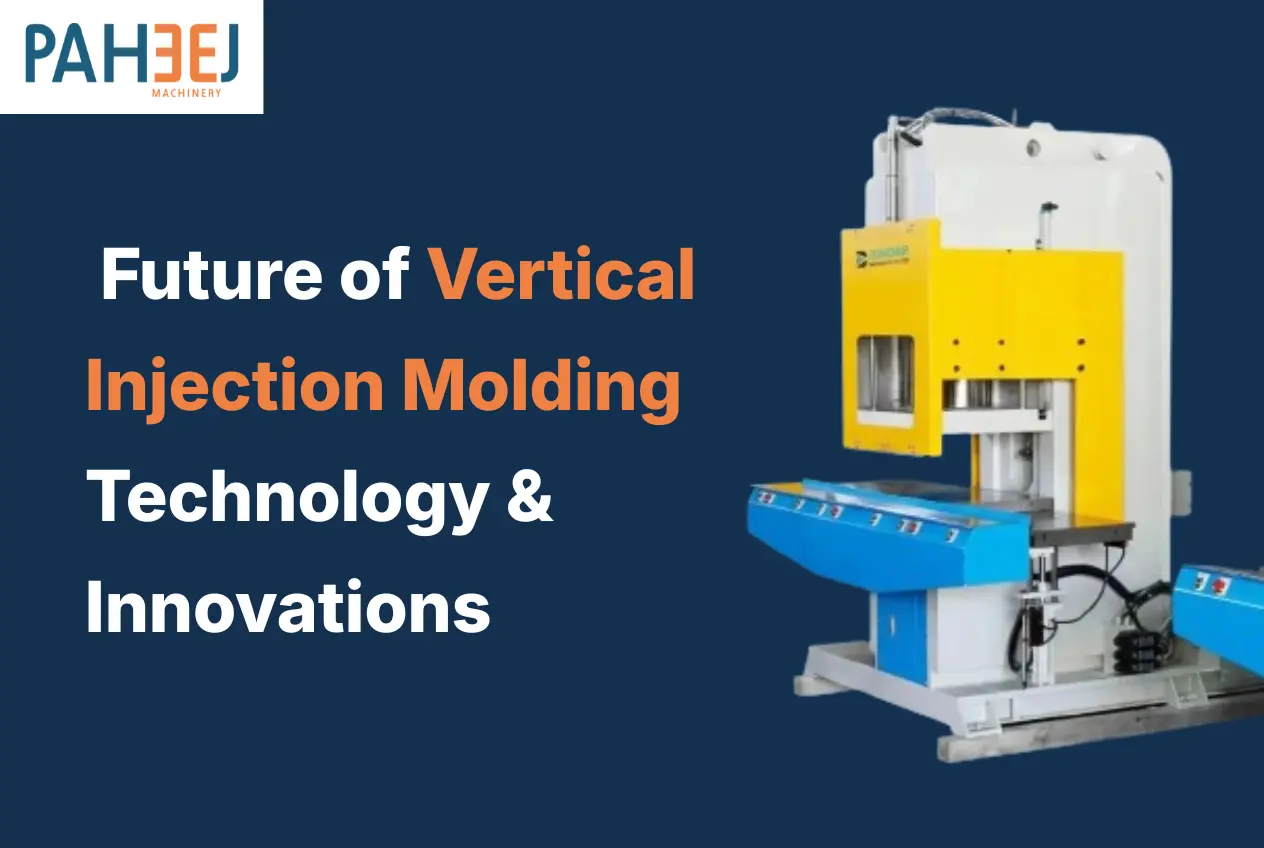
The Future of Vertical Injection Molding Technology: Trends & Innovations
Manufacturing technology continues evolving rapidly, with vertical injection molding positioned at the forefront of innovation. As industries face increasing demands for precision, customization, and advanced materials processing, vertical injection molding technology is advancing through breakthrough innovations that extend beyond current automation and efficiency improvements.
This examination explores emerging innovations in vertical injection molding technology that will define the next generation of precision manufacturing, from advanced material processing capabilities to intelligent systems and multi-functional design approaches.
Advanced Multi-Material Processing Capabilities
Future vertical injection molding systems are evolving beyond standard two-shot processes toward sophisticated multi-material integration. Next-generation machines will handle three, four, or more material combinations in single molding cycles, enabling complex product designs previously requiring assembly operations.
Emerging multi-material capabilities include:
- Sequential injection with precise material interface control
- Hybrid processes combining liquid silicone rubber with thermoplastics
- Multi-hardness assemblies integrating materials with varying properties
- Functional gradient materials transitioning properties within single components
These advanced capabilities support product innovation in medical devices, wearable electronics, and automotive components requiring integrated functionality.
Next-Generation Material Processing
Material science advances are creating new polymer formulations requiring specialized processing capabilities. Future vertical plastic injection molding machines must accommodate increasingly complex material characteristics while maintaining process stability.
Advanced material processing developments include:
- Bio-based polymer processing with variable thermal properties
- Composite materials incorporating continuous fiber reinforcement
- High-temperature engineering polymers for demanding applications
- Conductive and electromagnetic shielding materials for electronics
Processing these advanced materials demands precise temperature control, specialized screw designs, and adaptive process monitoring that next-generation vertical machines will provide.
Intelligent Process Control Systems
Beyond current monitoring capabilities, future vertical injection molding machines will incorporate autonomous control systems that make real-time adjustments without human intervention. These intelligent systems will optimize processes continuously based on sensor feedback and learned patterns.
Intelligent control features will include:
- Self-optimizing injection parameters adjusting to material batch variations
- Adaptive cooling strategies responding to ambient temperature changes
- Predictive quality control preventing defects before they occur
- Learning algorithms improving performance over production runs
These autonomous capabilities will enable lights-out manufacturing with minimal operator intervention while maintaining superior quality standards.
Modular and Reconfigurable Machine Architectures
Future vertical injection molding technology will emphasize modular designs, enabling rapid reconfiguration for different applications. Manufacturers will adapt single machines for diverse processes without extensive retooling or equipment replacement.
Modular architecture advantages include:
- Interchangeable injection units for different material systems
- Configurable clamping forces adapting to varying part sizes
- Plug-and-play automation modules supporting different handling requirements
- Upgradeable components extending machine capabilities over time
This flexibility will enable manufacturers to respond quickly to changing product requirements and market demands while maximizing equipment investment value.
Micro-Molding and Specialized Applications
Specialized vertical injection molding systems for micro-molding applications will address growing demand for miniaturized components in medical devices, electronics, and precision instruments. These systems will achieve tolerances and part weights impossible with conventional equipment.
Micro-molding capabilities will include:
- Shot sizes measured in milligrams
- Dimensional tolerances within microns
- Ultra-precise temperature control preventing thermal variations
- Specialized clamping for delicate micro-molds
Applications will span medical implants, optical components, micro-fluidic devices, and miniaturized electronic assemblies requiring extreme precision.
Challenges and Opportunities
Adopting next-generation vertical injection molding technology presents challenges manufacturers must address. Advanced systems require significant capital investment and technical expertise beyond conventional molding operations. Material compatibility, process development, and validation add complexity to implementation.
However, manufacturers who successfully integrate these emerging technologies will gain competitive advantages through enhanced capabilities, improved efficiency, and ability to produce innovative products competitors cannot easily replicate.
Innovation Defining Tomorrow’s Manufacturing
The future of vertical plastic injection molding machines extends beyond incremental improvements toward transformative innovations in multi-material processing, intelligent control, modular design, and specialized applications. These developments reflect the broader vertical injection moulding trends in modern manufacturing, where automation, precision engineering, and advanced material processing are reshaping production capabilities.
Manufacturers preparing for these innovations position themselves to capitalize on emerging opportunities in advanced materials, miniaturization, customization, and integrated functionality. The convergence of material science, intelligent systems, and flexible architectures will redefine manufacturing possibilities.
As a leading vertical injection molding machine manufacturer, Paheej Machinery develops advanced vertical plastic injection molding machines incorporating emerging technologies that prepare manufacturers for tomorrow’s production requirements while addressing today’s manufacturing challenges.